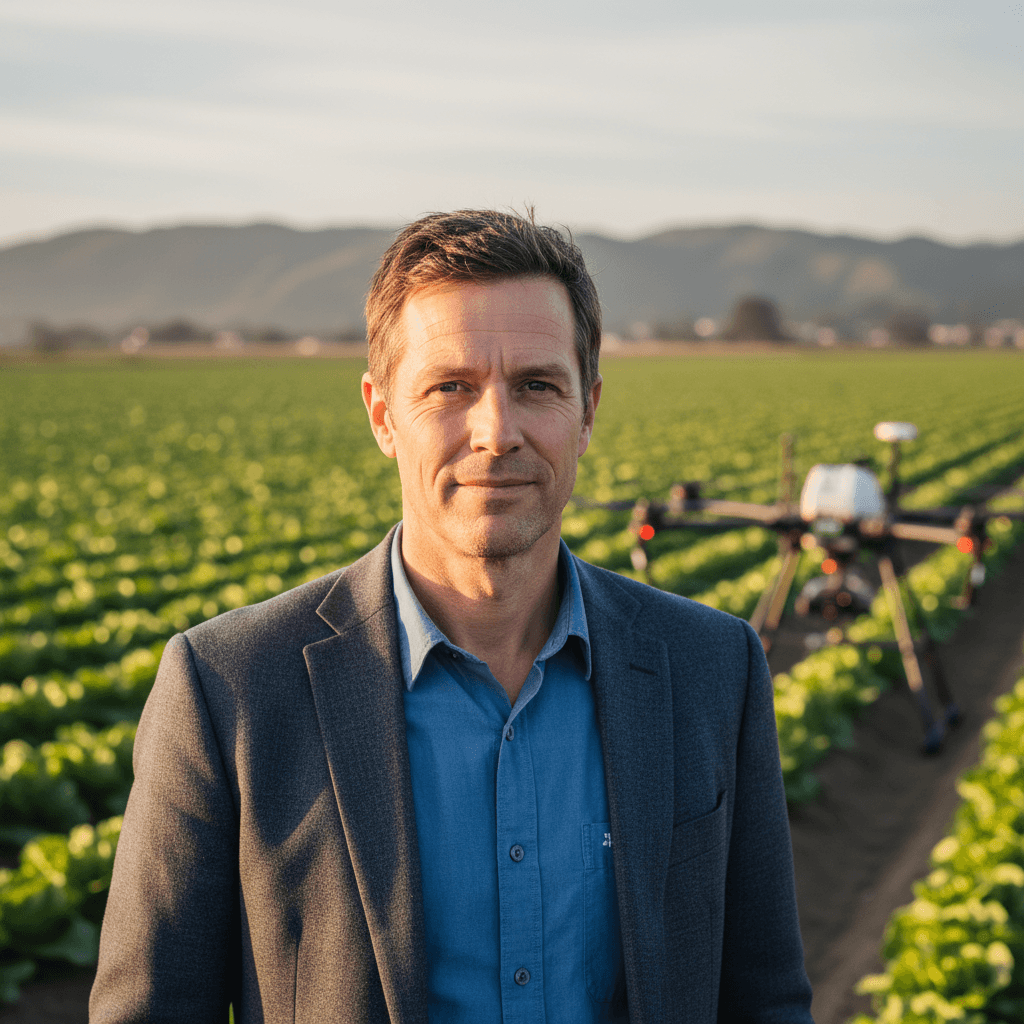
Jeroen(40)
Rotterdam → Salinas Valley, Californie
The Netherlands is a world leader in greenhouse horticulture and precision agriculture. After ten years as an agri-tech engineer at a large horticulture company in the Westland, I was approached by a Californian agri-tech company wanting to implement Dutch climate control technology. The H-1B visa application was straightforward: my specialized knowledge of greenhouse automation is scarce in the US. Lottery selection in April 2023 was an enormous relief.
The Salinas Valley, a hundred kilometers south of San Francisco, produces 70% of the lettuce in the US. It's an enormous agricultural area with a Mexican-American workforce and dozens of agri-tech startups. My employer develops automated greenhouses that use 90% less water than open-field farming -- crucial in a state constantly battling drought. My role: translating Dutch technology for the American market.
Life in the Salinas Valley is different from the cities. Rent is lower ($1,600 for a two-bedroom apartment) but amenities are limited. The nearest major hospital is in Monterey (30 minutes). Culturally the region is strongly Mexican-American: I've learned basic Spanish to communicate with colleagues and neighbors. The annual Rodeo de Salinas is the biggest event of the year.
The American agriculture sector is fascinating and shocking at the same time. The scale is overwhelming -- a single farm can be larger than the entire Westland region. But working conditions for seasonal laborers are poor and political tension around immigration directly affects the sector. Many of my colleagues are DACA holders or H-2A seasonal workers with temporary visas. The contrast between high-tech innovation and low-wage labor is stark.
Financially my position is comfortable. My salary of $115,000 goes far in a region where cost of living is half of San Francisco. California state tax (9.3%) and high gasoline prices ($5.50/gallon) impact the budget. But my 401(k) with 5% employer match and the fact that I don't pay $3,000 per month in rent like in SF makes a big difference. I save $2,000 monthly -- in the Netherlands that was impossible.
After two years I'm considering starting my own agri-tech consulting business. The combination of Dutch knowledge and American scale offers enormous opportunities. My H-1B runs for three more years and my employer offers PERM sponsorship. My advice to Dutch agri-professionals: the US needs your knowledge. Dutch greenhouse technology is the best in the world and the American market is hungry for innovation. Start with an H-1B at a sponsoring company, build your network and explore the possibilities. The agricultural future is being written here.
Highlights
- H-1B for agri-tech: Dutch greenhouse knowledge is scarce and in demand in the US
- Salinas Valley: 70% of US lettuce, center of agri-innovation
- Cost of living half of San Francisco, salary $115,000
- PERM sponsorship as path to green card after H-1B
Other stories

Wouter
Amsterdam → San Francisco, Californie
Through an H-1B visa I landed at a tech giant in San Francisco. The salary is high, but the bureaucracy and healthcare costs are a world apart.
Martijn
Rotterdam → New York City, New York
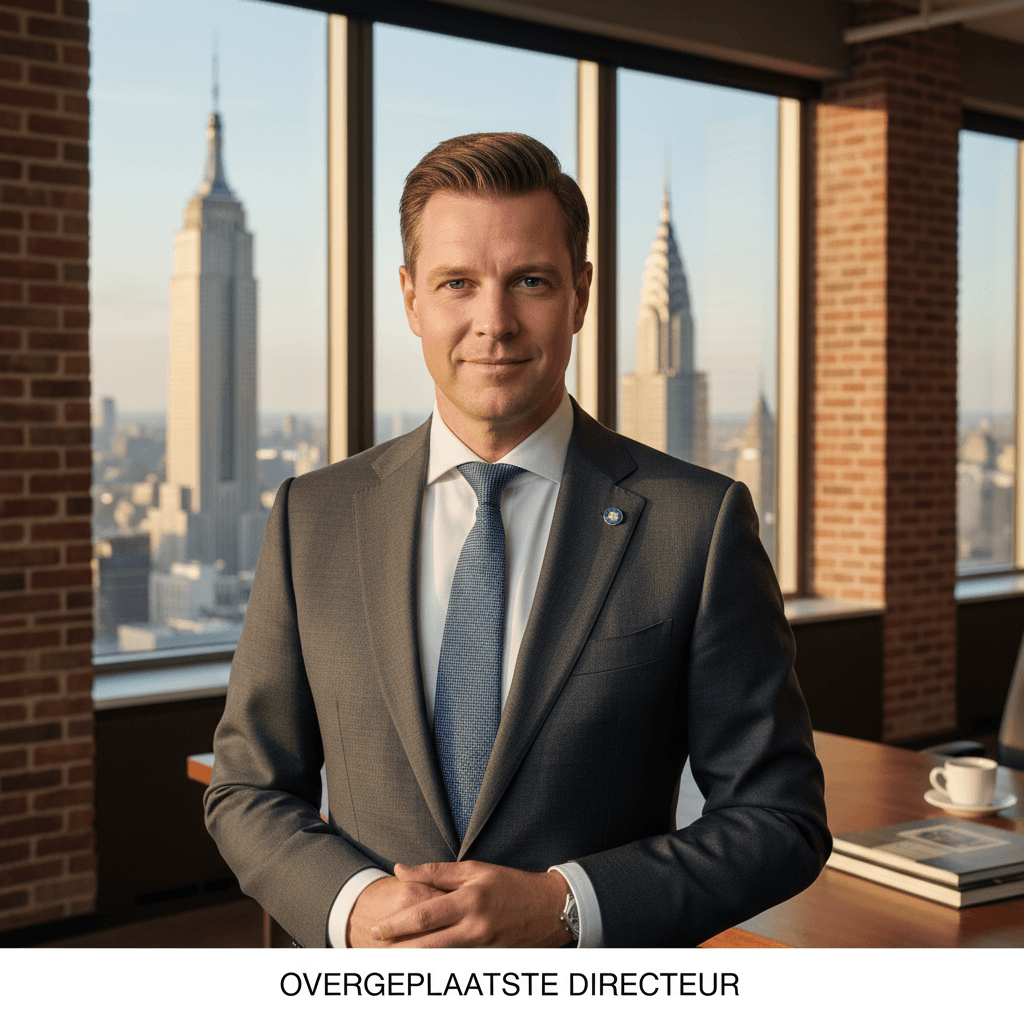
As finance director I was transferred to headquarters in Manhattan. The L-1 visa was fast, but FATCA and double taxation made things financially complex.
Femke
Utrecht → Austin, Texas
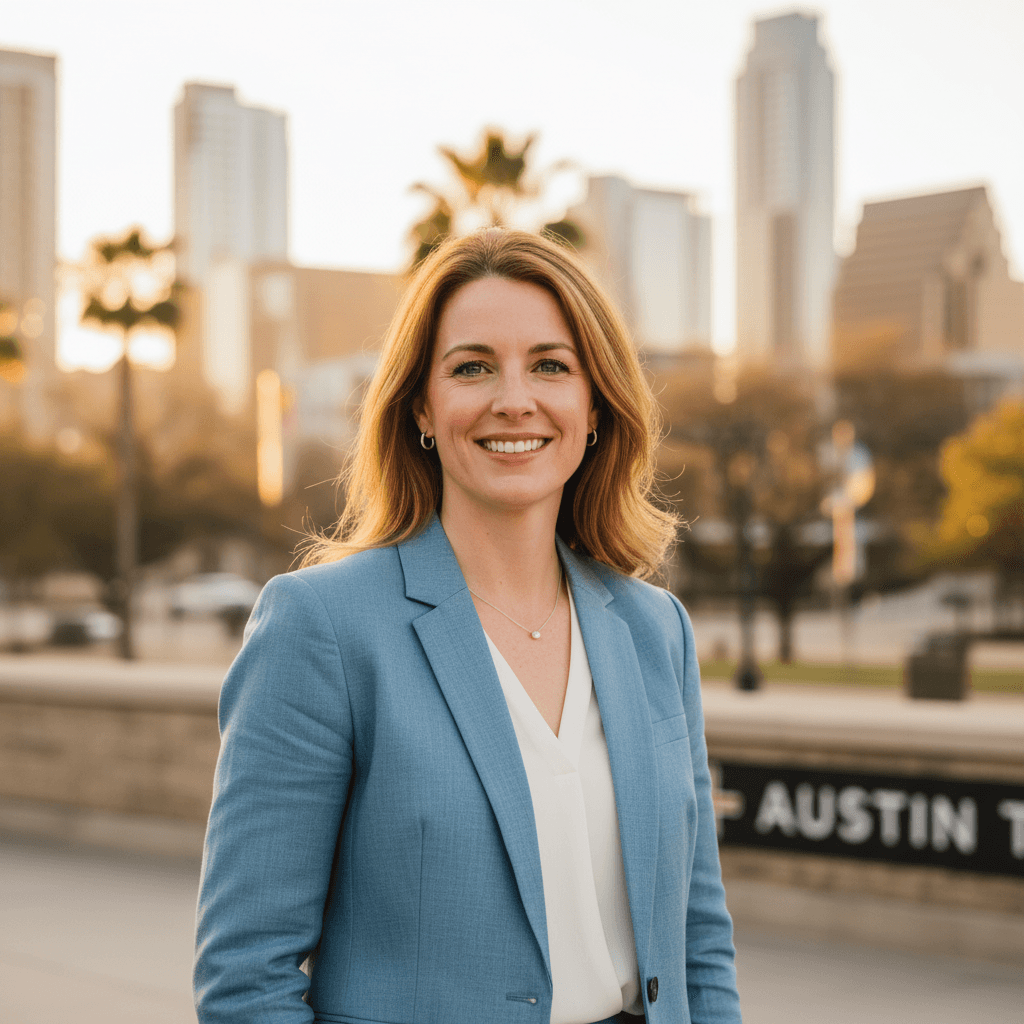
With an E-2 investor visa I started a sustainable fashion brand in Austin. Texas has no income tax, but American business culture required adjustment.