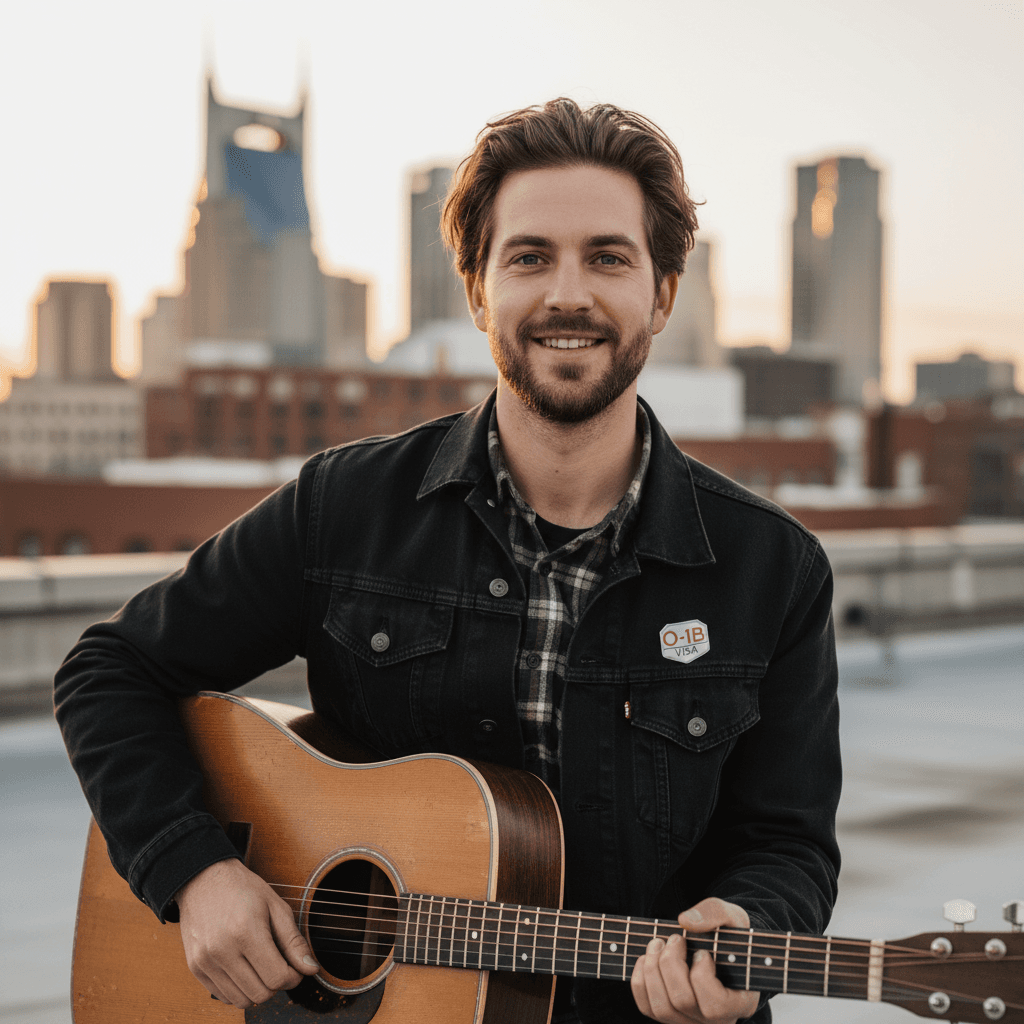
Ruben(27)
Maastricht → Nashville, Tennessee
After five albums, two Edison nominations and performances at Lowlands, Pinkpop and Eurosonic, I felt I was hitting a ceiling in the Netherlands. The American music market is twenty times larger and Nashville is the epicenter for singer-songwriters. My manager arranged a meeting with a label on Music Row. They wanted to sign me, but for that I needed a work visa. The O-1B visa for artists with "extraordinary ability" was the best option.
The O-1B dossier was a massive undertaking. I had to prove I belong to the top of my field. That meant: press reviews in recognized media (Volkskrant, 3voor12, OOR), evidence of performances at major festivals, Spotify statistics (4 million monthly listeners), collaborations with recognized artists and reference letters from producers and industry experts. My attorney in Nashville compiled the dossier for $8,000. USCIS approved it in eight weeks via premium processing.
Nashville is everything you imagine and more. Music is in the city's DNA -- every bar on Broadway has a live band, the honky-tonks run seven days a week. But behind the glamour it's cutthroat business. Competition is fierce: thousands of talented musicians compete for the same spots. My European background is both an advantage and disadvantage -- it makes me unique, but I had to learn how the Nashville industry works.
Financially, life as a musician in the US is precarious. My income is irregular: good months I earn $8,000 from performances and royalties, bad months $1,500. Tennessee has no state income tax, which helps. My rent in East Nashville is $1,600 for a one-bedroom -- affordable for a major city. Health insurance is my biggest expense: $380 per month for a marketplace plan with $4,000 deductible. As a freelance musician you have no employer contributing.
What surprised me most is Nashville's collaborative culture. In the Netherlands the music scene is small and competitive. Here songwriters work together in "writing rooms" -- three or four writers come together to write a song in three hours. That's called "co-writing" and it's the norm. My first co-write was with a Grammy-nominated songwriter. In the Netherlands I would never meet that person. Here we sit at the same table.
After two years I've recorded an album at a Nashville studio and I'm touring the southeastern US. My O-1B visa has been renewed for three years. The long-term goal is a green card, but as a musician without steady income that's complex. The EB-1A route is possible if I can demonstrate enough evidence of "extraordinary ability." My advice to Dutch musicians: Nashville is the place, but prepare for hard work, financial uncertainty and a completely different industry. The opportunities are there -- you have to seize them.
Highlights
- O-1B visa for artists: proof of extraordinary ability via press, performances and statistics
- Nashville co-writing culture: daily collaboration with top songwriters
- Tennessee: no state income tax, affordable for a major city
- Health insurance $380/month as freelancer without employer contribution
Other stories

Wouter
Amsterdam → San Francisco, Californie
Through an H-1B visa I landed at a tech giant in San Francisco. The salary is high, but the bureaucracy and healthcare costs are a world apart.
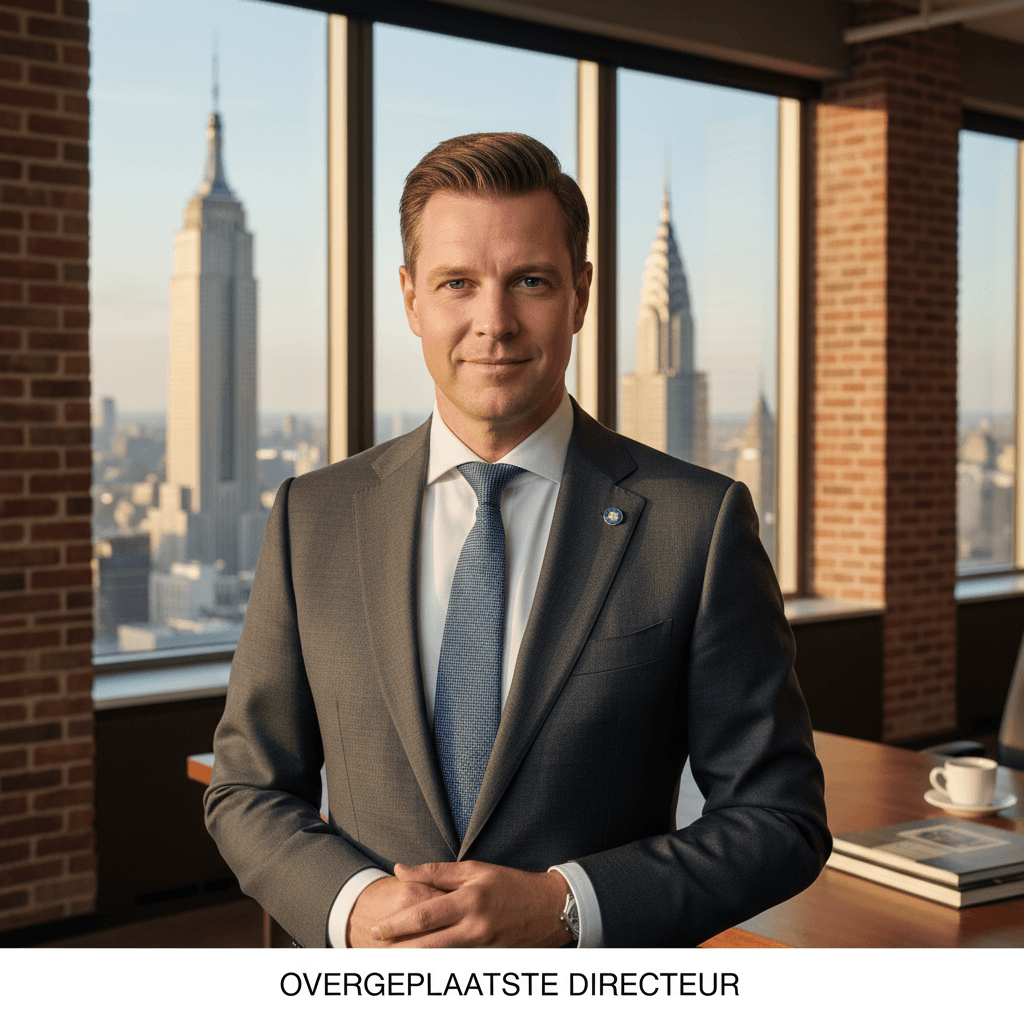
Martijn
Rotterdam → New York City, New York
As finance director I was transferred to headquarters in Manhattan. The L-1 visa was fast, but FATCA and double taxation made things financially complex.

Femke
Utrecht → Austin, Texas
With an E-2 investor visa I started a sustainable fashion brand in Austin. Texas has no income tax, but American business culture required adjustment.