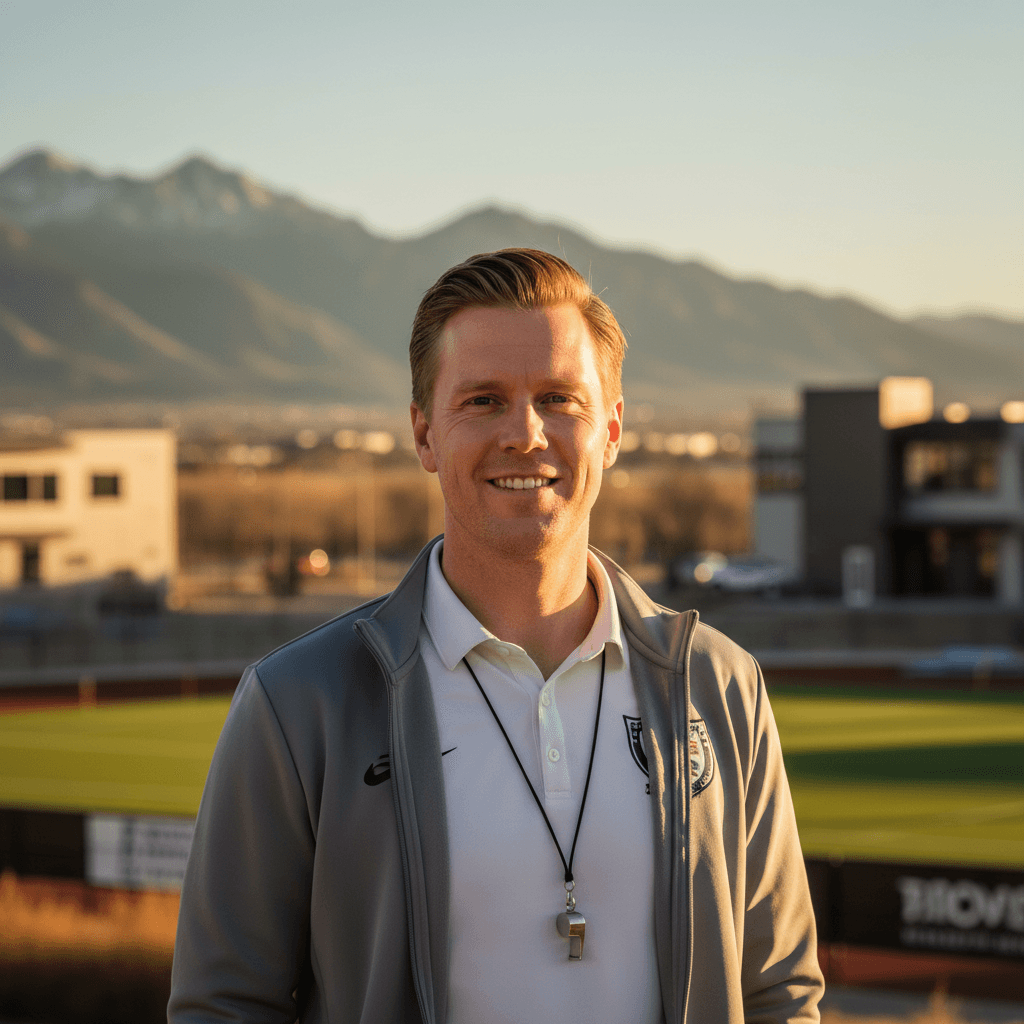
Thomas(41)
Haarlem → Denver, Colorado
For fifteen years I was a speed skating coach in Haarlem and Thialf. I coached multiple national champions and was assistant coach at the 2022 Olympics. When US Speedskating approached me to lead their long track program, I knew this was a once-in-a-lifetime opportunity. The O-1 visa for persons with "extraordinary ability" requires evidence of exceptional achievement: publications about your work, awards, membership in selective organizations and recommendation letters from experts in your field.
My immigration attorney compiled a dossier of over 400 pages. Newspaper articles about my skaters, my KNSB certifications, letters from Olympic medalists and contracts with international federations. USCIS evaluated the dossier in six weeks via premium processing ($2,805 extra). Normally it takes three to six months. Total legal fees were $12,000, paid by US Speedskating.
Denver is a perfect base. The Olympic & Paralympic Training Center in Colorado Springs is an hour and a half drive. The altitude (1,600 meters above sea level) is ideal for athletic training. Initially I suffered from the altitude -- headaches, shortness of breath when climbing stairs. After two weeks that passed. The dry climate is a world of difference from the wet Dutch weather. 300 days of sunshine per year is not marketing speak -- it's real.
American sports culture is different from Dutch culture. Everything revolves around high school and college sports. Speed skating is a niche here -- most Americans have never seen a skating competition. My job is not just coaching but also promoting the sport, recruiting sponsors and finding young athletes. US Speedskating's budget is a fraction of the KNSB, but the athletes' passion makes up for it.
Financially the O-1 visa is interesting: you can work for multiple employers as long as it falls within your expertise. Besides my work for US Speedskating, I give clinics at local skating clubs and work as a consultant for a sports data company. My combined income is comparable to what I earned in the Netherlands, but health insurance costs ($420/month for an HDHP with $5,000 deductible) weigh heavily.
The O-1 visa is valid for three years and can be renewed indefinitely. Unlike the H-1B there's no lottery and no annual cap. The downside: it doesn't automatically lead to a green card, though the EB-1A category for extraordinary ability uses the same criteria. My plan is to apply for a green card after the 2028 Olympics. My advice to athletes and coaches: the O-1 visa is achievable if you have a strong dossier. Document everything -- every medal, every article, every reference counts.
Highlights
- O-1 visa for "extraordinary ability" -- no lottery, no cap
- Dossier of 400+ pages with evidence of exceptional achievement
- Premium processing at USCIS: 6 weeks for $2,805 extra
- O-1 indefinitely renewable, EB-1A as path to green card
Other stories

Wouter
Amsterdam → San Francisco, Californie
Through an H-1B visa I landed at a tech giant in San Francisco. The salary is high, but the bureaucracy and healthcare costs are a world apart.

Martijn
Rotterdam → New York City, New York
As finance director I was transferred to headquarters in Manhattan. The L-1 visa was fast, but FATCA and double taxation made things financially complex.
Femke
Utrecht → Austin, Texas
With an E-2 investor visa I started a sustainable fashion brand in Austin. Texas has no income tax, but American business culture required adjustment.