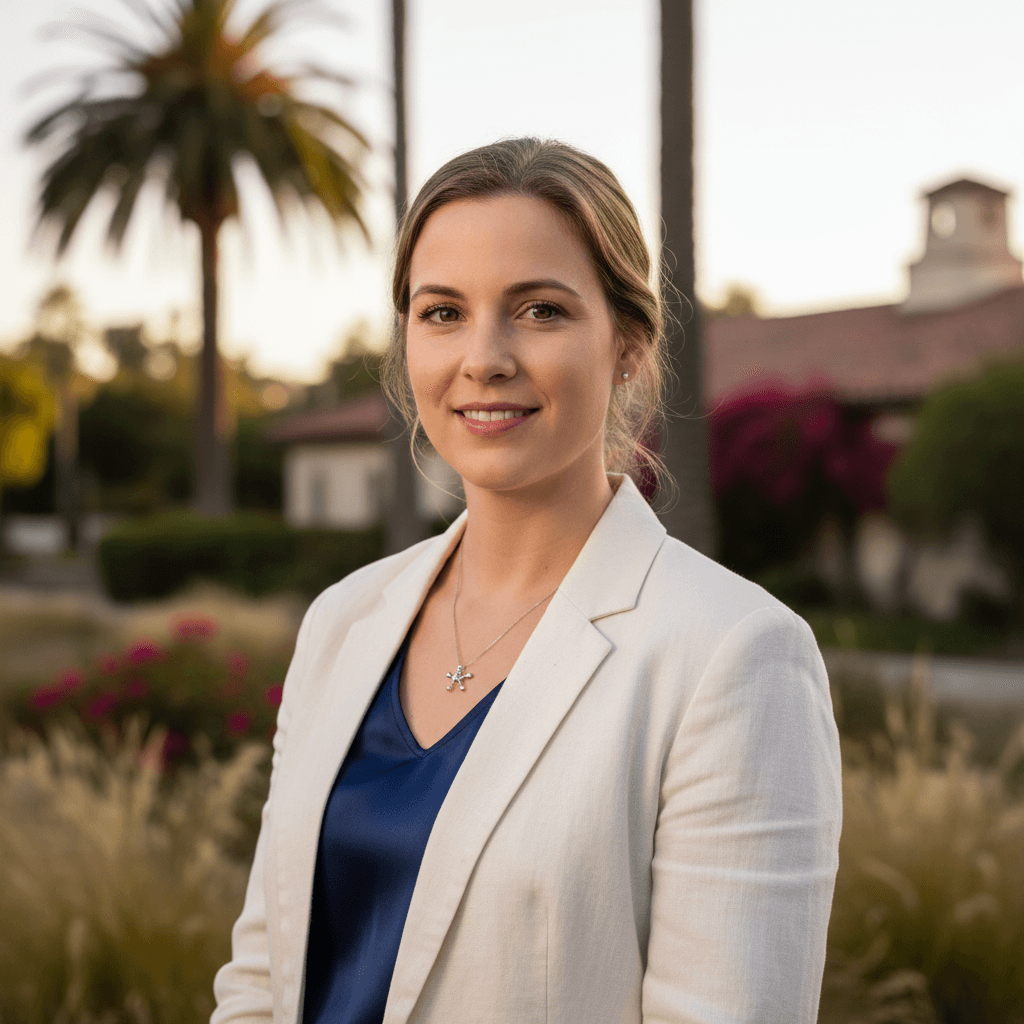
Maya(31)
Rotterdam → San Diego, Californie
After my PhD in molecular biology at Erasmus MC, I received an offer from a biotech startup in the Torrey Pines area of San Diego. The San Diego biotech corridor is the second largest in the US after Boston, with hundreds of companies in genomics, immunology and drug discovery. My employer filed the H-1B application and I was selected in the first lottery. Legal fees of $4,500 were paid by the company.
Upon arrival I discovered my ITIN (Individual Taxpayer Identification Number) hadn't been converted to an SSN yet. USCIS had a six-week delay. In the meantime I couldn't open a bank account at most banks. Only a nearby credit union accepted my foreign passport and I-94 as identification. The credit score you need in America for everything -- from renting to phone plans -- starts at zero as a foreigner. I had to get a secured credit card with a $500 deposit.
San Diego is paradise if you love outdoor living. The climate is the best in the US: 22-25 degrees year-round, almost never rains. The beaches are gorgeous and the Mexican border is a twenty-minute drive -- Tijuana has fantastic food and cheap dentists that many Americans visit. My one-bedroom apartment in UTC (University Town Center) costs $2,400 per month. Expensive, but I live a ten-minute bike ride from my lab.
Startup culture in biotech is different from academia. At Erasmus MC I worked on fundamental research with unlimited publication opportunities. Here everything is proprietary -- I sign NDAs for every meeting and can't publish anything. But the speed is addictive: what takes five years at a university, we do in eighteen months. My employer offers stock options, a 401(k) with 4% match and 20 vacation days -- luxury by American standards.
The tax situation as an H-1B worker is complex. I pay federal tax, California state tax (up to 13.3% -- the highest in the US) and Social Security/Medicare. In total 35-40% of my gross salary goes to taxes. Additionally, as a former Dutch resident I still need to file with the Belastingdienst for the first two years due to the tax treaty. The treaty prevents double taxation, but the paperwork is a nightmare. I pay $2,500 per year for an expat tax advisor.
After two years my startup was acquired by a large pharmaceutical company. My stock options yielded $45,000 -- a nice windfall. The new company is sponsoring my green card through PERM. My advice to Dutch scientists: San Diego is the place for biotech. Opportunities are enormous, salaries are high and the climate is unbeatable. But prepare for the credit score nightmare, high California taxes and the fact that you need to keep two tax authorities happy.
Highlights
- H-1B for biotech: San Diego corridor is 2nd largest in the US
- ITIN to SSN conversion delayed -- weeks without bank account
- California state tax up to 13.3% on top of federal tax
- Stock options from startup acquisition: $45,000 windfall
Other stories
Wouter
Amsterdam → San Francisco, Californie
Through an H-1B visa I landed at a tech giant in San Francisco. The salary is high, but the bureaucracy and healthcare costs are a world apart.

Martijn
Rotterdam → New York City, New York
As finance director I was transferred to headquarters in Manhattan. The L-1 visa was fast, but FATCA and double taxation made things financially complex.
Femke
Utrecht → Austin, Texas
With an E-2 investor visa I started a sustainable fashion brand in Austin. Texas has no income tax, but American business culture required adjustment.